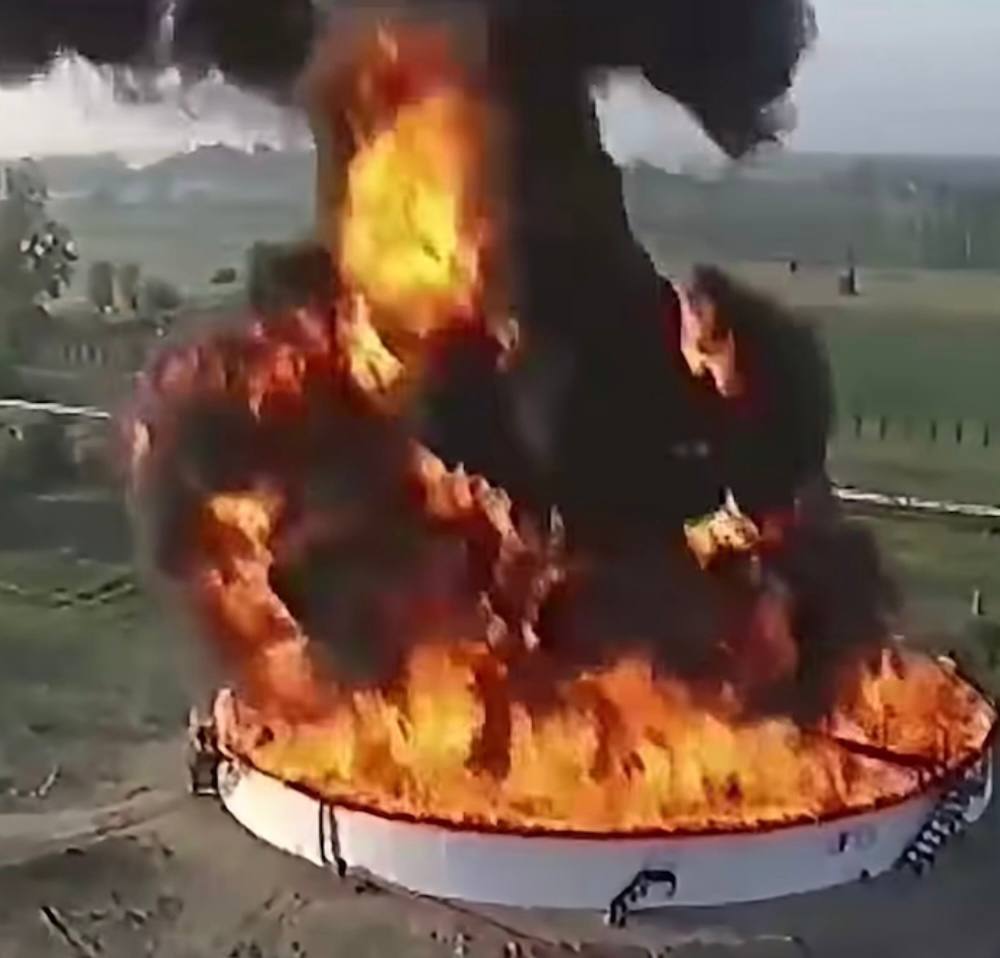
Low-expansion foam is a fundamental element in extinguishing fires in liquid fuel tanks and tanks, and is so shown in the various rules and regulations for the protection of this type of risks.
Before a fire, its effect can be summed up in three ways:
Creates a layer that allows oxygen to be isolated from the fuel.
This layer allows for fumes to be let down.
Cooling of the protected area is occurring.
Generally, its application in deposits is done by foam chambers for fixed and floating roof deposits. In some cases where there is no roof, the foam can be applied manually or automatically from the top or directly from the outside by using spears and monitors. This latest case may occur, for example, when the fixed system has been damaged by an explosion at the warehouse itself or in its vicinity.
For proper deployment, standards of recognized prestige, such as NFPA11 or EN13565-1, should be used, which contain the necessary criteria for its design, installation, commissioning and maintenance.
In addition, from the above, another option can be the use of self-expanding foams, which do not require water in its application. In this case, the application is usually done by linear nozzles. This option is the one shown in the video.