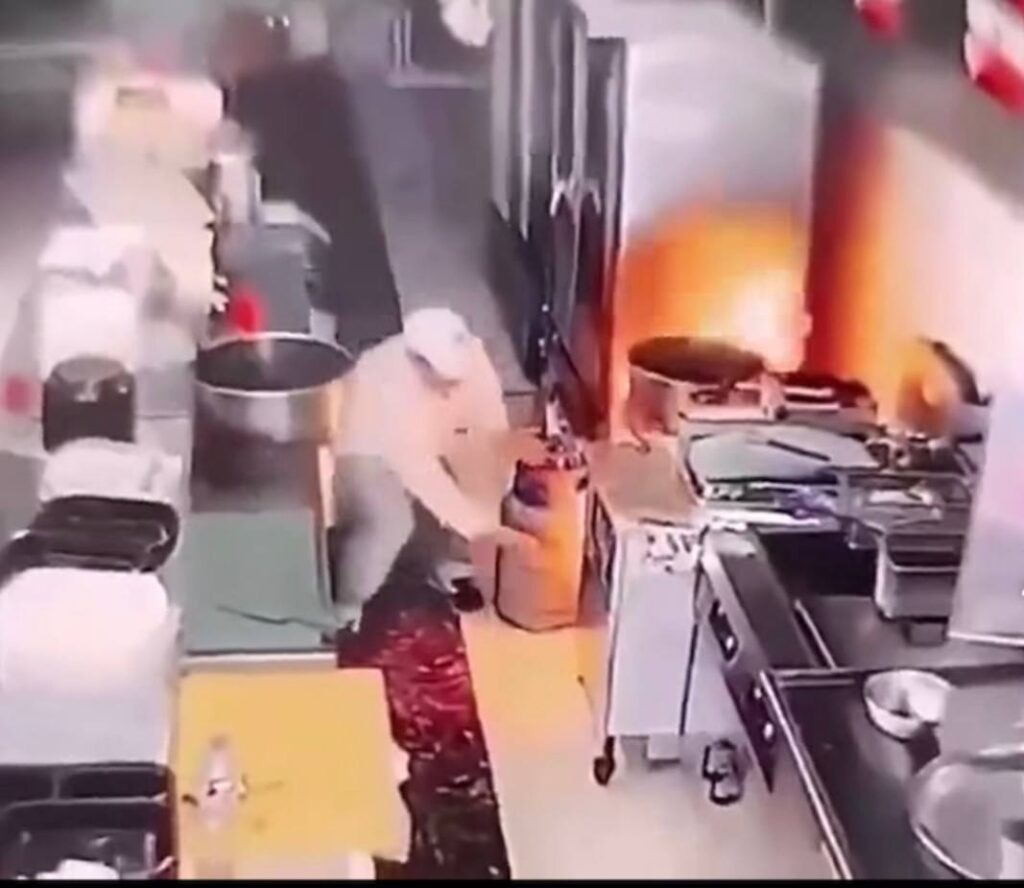
Did you know that…?
Training of workers in fire prevention and response is essential and as important as all risk analysis and fire protection engineering that could have been done on the establishment, as improper performance can aggravate on the development of the fire.
In many occasions, extensive work is carried out on the analysis and prevention of fire risk, as well as important investments in protection systems and their maintenance, etc. However, if workers and users do not have enough training to act properly in case of a fire, their performance can result in unpredictable and even catastrophic events.
This training will depend on the case, and may include the correct use of a fire extinguisher or an equipped fire hydrant, or indications on how to proceed depending on the different types of fires that may be generated at your workplace. In this particular case, it would be necessary to analyze whether the worker was put in an unnecessary position of risk and whether the performance was adequate, regardless of the efficiency achieved, without cutting off the gas flow and existing risk of the cylinder explosion.Another commonly critical case in kitchen fires is the use of water for fire extinguishing. You should never try to extinguish a fire with oil and fats in combustion with water, taking into account that the water will evaporate suddenly, expanding the focus of the fire. A more correct way to act would be to cool the oil in combustion, with the input of oil at room temperature, in addition to covering the fryer, preferably with a fire-retardant blanket, which allows to isolate the focus of the fire from the oxygen fuel.