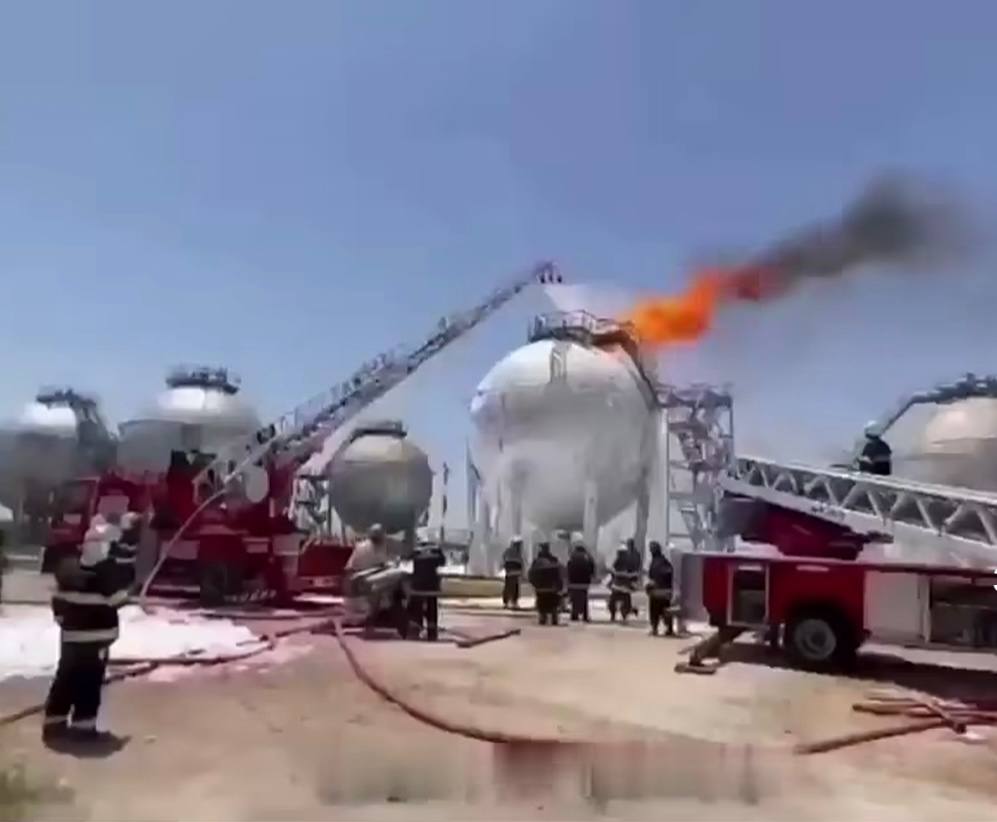
Low-expansion foam extinguishing systems are not effective in controlling and extinguishing fires involving presurized gases, as LPG may be. This is because its effectiveness focuses mainly on two-dimensional liquid hydrocarbon fires, something that does not occur in the case of LPG, which is in a gas state at room temperature.
Similarly, its cooling capacity is lower than that of pure water, which is accelerated as the foam increases in medium and high-expansion systems.
What do the codes and standards say about this?
In the case of LPG, NFPA 58 (Liquefied Petroleum Gas Code) sets out fire protection criteria based on cooling with sprayed water on surfaces, either through a fixed system or with monitors.
On the other hand, API 2510A highlights the ineffectiveness of foam systems in this type of risk, defining protection through insulation, container cooling, relief systems, emergency stop systems, etc. Lastly, standards such as European EN 13565-2 do contemplate criteria for the use of foam, discouraging low-expansion foam, but setting specifications for the use of medium and high-expansion foam.
In this sense, the standard defines the purpose of the system as the reduction of radiant heat and the intensity of the fire, bringing the fire to its control. The direct use of water for this function will have a more effective effect than that of medium or high expansion foam, where the amounts of water available are limited for cooling purposes.
Also, it is indicated that the foam should be applied over nonflammable liquefied gas spills, in order to limit the risk of ignition and the potential damage resulting from the incident.
However, it is necessary to assess the cooling needs of the tank to minimize the risk of BLEVE, as the use of foam may result in insufficient.